
"1990s China"
80 article(s) found

The development of coffee culture in cafes in the office
Xavier Unkovic used to drink two cups of green tea in the office every morning, followed by a cup of coffee at noon. As global president of Mars Beverage, he found that most office workers, like him, have complex and diverse drinking habits in the workplace. Some people like coffee, some people like tea, and some people like hot chocolate, which has something to do with age.

History of Origin and Development of Juan Coffee Brand in Colombia
A moustache, wearing a wide-brimmed straw hat, a donkey dragging a sack of coffee beans, behind which was a tall Andean peak. Juan Valdez is a traditional Colombian coffee farmer. For half a century, this simple and honest image has been carefully built for the world to be familiar with. After entering the 21st century, Colombia has actively attracted foreign investment and pursued economic transformation.

Unique taste of Ecuadorian Coffee Manor characteristics, flavor and taste of Santa Cruz Manor
Central mountain: after entering Ecuador from Colombia, the Andes is divided into the eastern and western Cordillera mountains, with a plateau high in the north and low in the south, averaging between 2500 and 3000 meters above sea level. The Andes run through the middle of the border. The ridges crisscross, dividing the plateau into more than ten intermountain basins. The most important are the Quito basin and the Cuenca basin in the south. There are many volcanoes in the territory.

Boutique Coffee basic knowledge Coffee World Best Coffee
Individual coffee can best reflect a person's ability to drink coffee. Mantenin coffee is mellow, bitter and smelly, with almost no sour taste; Colombian premium coffee contains fruit acid, and slow coffee can taste slightly nutty; Ethiopian coffee can smell obvious citrus aroma during bean grinding and lemon fragrance after production; most cafes along Fifth Avenue have a small courtyard, quiet and low-key.

Introduction to the flavor and taste characteristics of coffee from Santa Cruz Manor, Ecuador, which tastes very balanced and refreshing.
After entering Ecuador from Colombia, the Andes is divided into the eastern and western Cordillera mountains, with a high plateau in the north and a low plateau in the south, with an average elevation of between 2500 meters and 3000 meters. The Andes run through the middle of the border. The ridges crisscross, dividing the plateau into more than ten intermountain basins. The most important are the Quito basin and the Cuenca basin in the south. There are many volcanoes and frequent earthquakes in the territory.
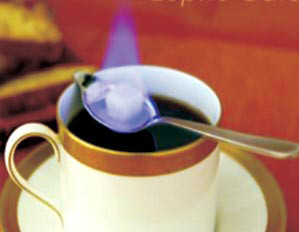
Flavor description characteristics of moderate mellow Hasunda Coffee Garden in Ecuador introduction to the taste of fine coffee beans
The minerals are mainly oil, mainly distributed in Guayaquil Bay, and oil fields are also found in the Amazon Plain. Gold and silver are distributed in Machaki and Saluma and other places. Copper is made in Machaki. There are sulfur mines in the Cologne Islands. In addition, there is iron, lead and so on. The forest area accounts for about 68% of the country's area, mostly in the eastern region, rich in valuable wood, such as mahogany and ointment.

A brief introduction to the cultivation of boutique coffee beans on Mount Everest in El Salvador, geographical location, climate and altitude
Like Guatemala and Costa Rica, coffee in El Salvador is graded according to altitude. The higher the altitude, the better the coffee. It is divided into three grades according to elevation: SHB (strictly high grown) = highlands, HEC (high grown central) = mid-highlands, and CS (central standard) = lowlands; the best brand is Pipil, which is Az.

A brief introduction to the cultivation of boutique coffee beans on Mount Everest in El Salvador, geographical location, climate and altitude
The current situation of coffee production is a natural and man-made disaster, which is a perfect description of the challenges facing the coffee industry in El Salvador. Despite getting rid of the haze of war, El Salvador's coffee production still faces challenges from time to time, including: 1998, hurricanes; 2001, earthquakes; 2002, volcanic eruptions; 2012, leaf rust

A brief introduction to the treatment method of grinding degree and baking degree of El Qomolangma boutique coffee beans
A brief History of Coffee production in 1742, coffee was introduced to El Salvador from the Caribbean (1740). In the mid-19th century, El Salvador's original export pillar Indigo (one of the dyes) received a gradual decline in the development of synthetic dyes in Europe, and coffee gradually became the main export product under the guidance of the government. In 1856, the first 693 bags of coffee beans were shipped to Europe. all long

Introduction to the flavor characteristics of the manor producing area of Ecuador's boutique coffee beans
Port Guayaquil is the largest seaport in Ecuador. It faces the Pacific Ocean and backs against Mount Santa Ana. The nearby island of Pune serves as a natural barrier to protect the harbour from storms. There is a wharf in the south, which is more than 900 meters long. Ships from different parts of the world flying various flags are moored in the harbor. The port railway leads to the capital Quito, and highways connect Quito with other cities in the country.

Introduction to the balanced and refreshing coffee flavor and taste manor of Hassanda Coffee Garden in Ecuador
Port Guayaquil is the largest seaport in Ecuador. It faces the Pacific Ocean and backs against Mount Santa Ana. The nearby island of Pune serves as a natural barrier to protect the harbour from storms. There is a wharf in the south, which is more than 900 meters long. Ships from different parts of the world flying various flags are moored in the harbor. The port railway leads to the capital Quito, and highways connect Quito with other cities in the country.
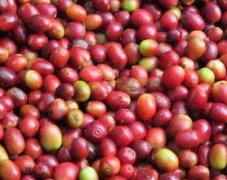
A brief introduction to the description of flavor and flavor characteristics of coffee beans with pure fragrance from Mount Everest of El Salvador
Coffee from El Salvador is a specialty of Central America, where it is light, fragrant, pure and slightly sour. Like Guatemala and Costa Rica, coffee in El Salvador is graded according to altitude, and the higher the altitude, the better the coffee. The best brand is Pipil, which is what the Azbec AztecMayan called coffee, and it has been acquired.
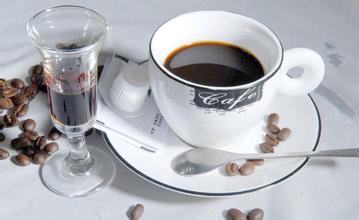
Introduction to Santa Cruz Manor in Ecuador Coffee Flavor and Taste area, which can be made into High-quality mixed Coffee
West coast: including coastal plains and foothills, high in the east and low in the west, generally below 200 meters above sea level, with some hills and low mountains at an altitude of 600 to 700 meters. Belongs to the tropical rain forest climate, the southernmost end begins to transition to the savanna climate. The average annual precipitation decreases from more than 3000 mm to about 500mm from north to south: part of the Amazon basin. Altitude 1200mm 250
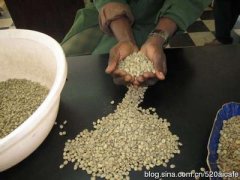
A brief introduction to the taste of high-quality coffee beans in the flavor description of the moderately mellow Hassanda coffee garden in Ecuador
As early as the 18th century, Chinese clothing, textiles and other goods were shipped to Ecuadorian cities through Guayaquil. In August 1978, the Chinese cargo ship Jialing Jiang arrived here for the first time. Most of the import and export goods of the two countries are transported through Guayaquil, mainly oil, mainly distributed in the Guayaquil Bay, and oil fields are also found in the Amazon plain. Gold and silver are distributed in

The best in the world of coffee is also a luxury to have a cup of coffee.
Individual coffee can best reflect a person's ability to drink coffee. Mantenin coffee is mellow, bitter and smelly, with almost no sour taste; Colombian premium coffee contains fruit acid, and slow coffee can taste slightly nutty; Ethiopian coffee can smell obvious citrus aroma during bean grinding and lemon fragrance after production; most cafes along Fifth Avenue have a small courtyard, quiet and low-key.

The best in the world of coffee is also a luxury to have a cup of coffee.
Individual coffee can best reflect a person's ability to drink coffee. Mantenin coffee is mellow, bitter and smelly, with almost no sour taste; Colombian premium coffee contains fruit acid, and slow coffee can taste slightly nutty; Ethiopian coffee can smell obvious citrus aroma during bean grinding and lemon fragrance after production; most cafes along Fifth Avenue have a small courtyard, quiet and low-key.

Matcha Coffee | what on earth made matcha so popular?!
Professional baristas Please follow the Coffee Workshop (Wechat official account cafe_style) Holy Matcha, a matcha-themed cafe, has become a mecca for girls on the west coast of the United States since it opened in San Diego for only two months. Boss Geraldine Ridaura came into contact with matcha on a trip to Japan and was immediately impressed by its magical health benefits.

Introduction to the producing area of high-quality coffee beans in Ecuador coffee manor with balanced acidity
The Republic of Ecuador is located in northwestern South America. It is bordered by Colombia in the northeast, Peru in the southeast and the Pacific Ocean in the west. It covers an area of 256370 square kilometers and the coastline is about 930km long. The equator runs north of the border, and Ecuador means the Spanish equator, which means Guayaquil is Ecuador's largest seaport. It faces the Pacific Ocean and backs against Mount Santa Ana. There is Pune Island nearby.

Introduction to the unique flavor and taste of Ecuadorian coffee manor
The best Ecuadorian coffee is grown on St. Cristobal Island in the Galapagos Islands, which has the unique natural geographical conditions for giving birth to the best quality coffee in the world. A cup of Galapagos coffee, like the beautiful scenery of the Galapagos Islands, is sure to impress you. In the mid-15th century, fishermen fishing in the western Pacific Ocean of South America were in the middle stream.

The growth process of American coffee giant Starbucks: success and failure also expansion
In the late 1990s, Starbucks, a loanword with an ingenious combination of free translation and transliteration, entered the vision of Chinese white-collar workers. Since then, rich fragrant coffee, soft and comfortable sofas, fresh and soothing music, heavy traffic outside the floor-to-ceiling window, together with the high price of 30 yuan a cup, have become an indispensable part of the memory of the generation. In my spare time